Jim Ruland, author of Bad Religion book, returns with crime novel "Mightier Than the Sword"
The writer behind punk biographies of Keith Morris and Evan Dando turned a grad school joke into a heist story set in 1993 Arizona.
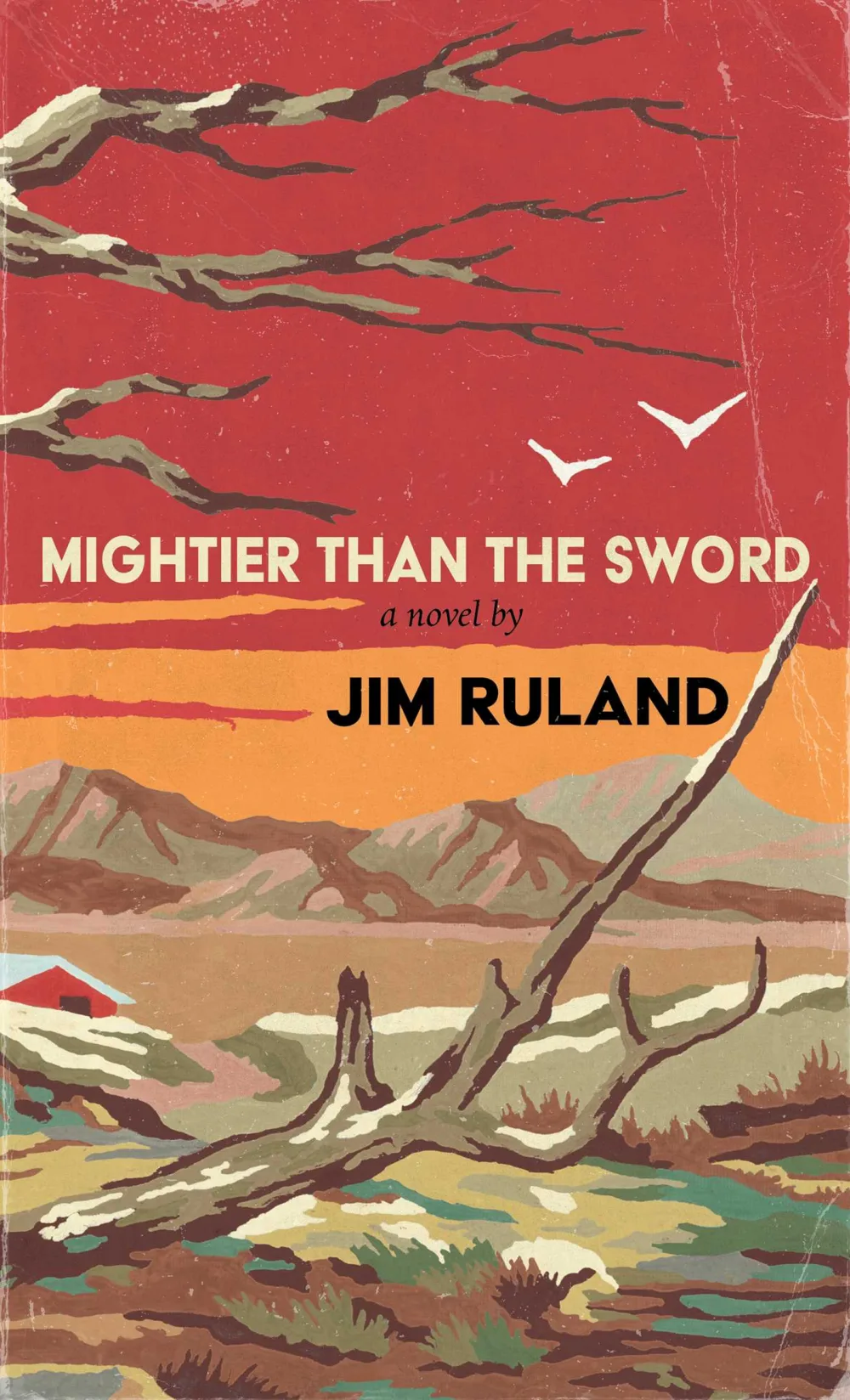
Jim Ruland, known to punk readers for collaborative books including "My Damage" with Keith Morris, "Rumors of My Demise" with Evan Dando and the Bad Religion history "Do What You Want," has published a new crime novel. "Mightier Than the Sword" follows four English professors at different stages of life who decide to rob a college textbook store in hopes of throwing money at their problems.
The premise comes straight from Ruland's own past. In 1993 he was a graduate student in Flagstaff, Arizona, sharing a cramped office with three colleagues. One of them, aware that Ruland loved crime fiction, floated the idea that stuck with him for three decades: "Hey, let's go rob a bank. Who would suspect us?" He began writing the book shortly after finishing final edits on his previous novel, "Make It Stop."
Among his touchstones, Ruland names the classic "The Killing," which gets referenced inside the novel, and "Bullet Train," which he says lit the spark by cramming clashing personalities into a confined space. He also points out that the new book shares an ensemble structure with "Make It Stop," where addicts banded together against the corporate healthcare system. This time, it's literature teachers robbing a bookstore.
The four leads are Colt, the frustrated writer; DJ, the poet; Mallory, the punk; and Max, the gambler. Ruland describes them mostly as composites, though Colt's house is based on a real place he lived in Flagstaff. Their desperation draws on his own years of being broke, working a toxic overnight cook job and refusing to take out loans rather than sink further into debt.
Setting the story in 1993 was also a practical decision. His previous novel was set in the near future, and the present kept catching up to it during the long writing process. Looking back instead gave him control over the timeline, and the year marks what he sees as the start of the exploitation of graduate students in American higher education.
Reported from Dying Scene
Read the full story at Dying SceneNewsroom copy, published with prior review. Editor in charge: Remy Zdrojeski. Spotted an error? Write to sociais@remyzdrojeski.com.br and we will fix it.